A make-ahead side is not simply a normal side that happened to spend the night in the refrigerator. The good ones survive cold storage, reheat without splitting or drying out, and do not demand the same oven rack at the same temperature as everything else. The goal is a generous table with Thursday focused on reheating and finishing, not six recipes from scratch.
20 sides worth making ahead
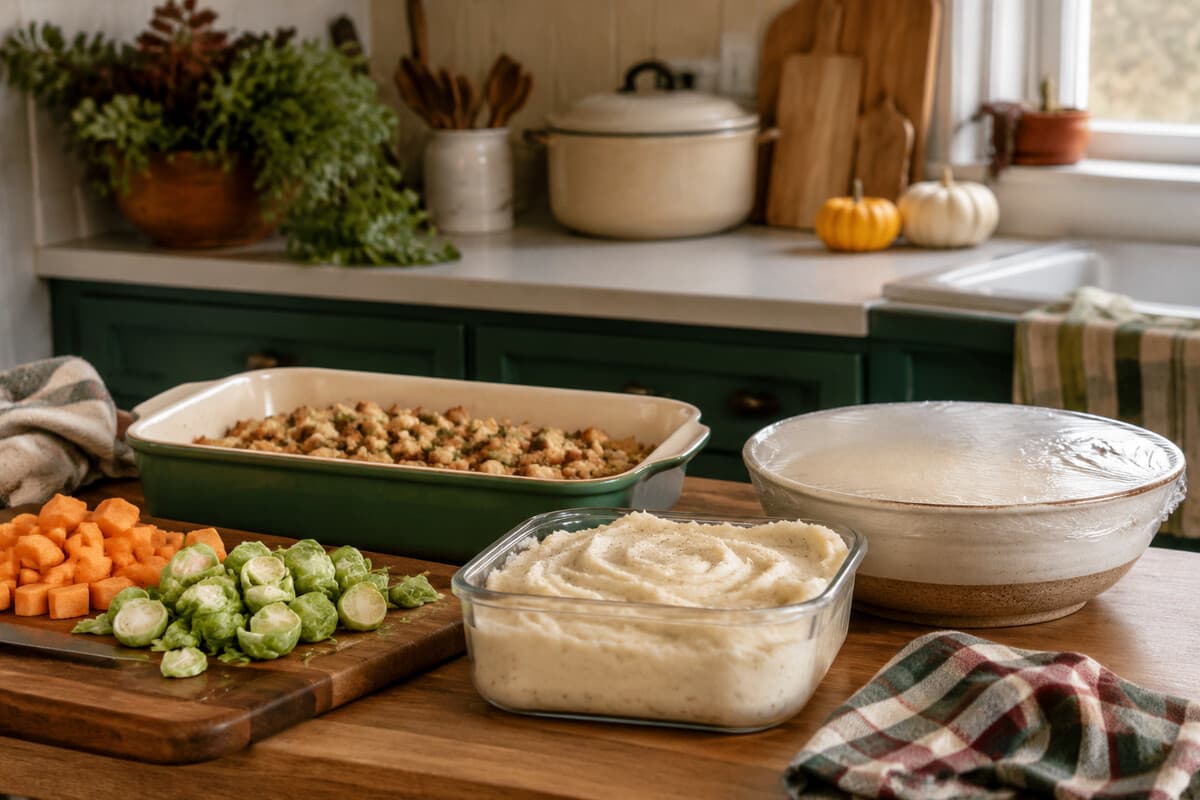
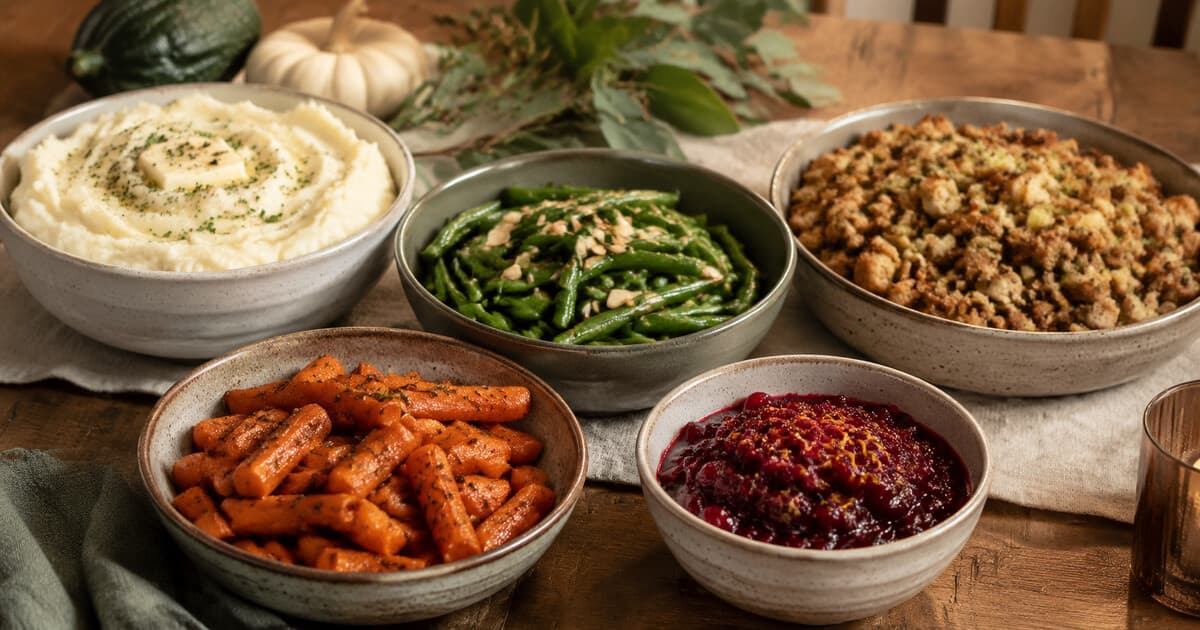
Choose four or five sides that cover different jobs: one creamy, one savory-bready, one green, one sweet or tart, and one optional extra. You do not need all twenty.
Buttery mashed potatoes
Make them one day ahead with enough butter and dairy to stay supple, then reheat covered over low heat or in a casserole. Loosen with warm milk or cream if they tighten overnight.
Finish with a fresh pat of butter and black pepper.
Garlic mashed potatoes
Roasted garlic holds beautifully and tastes more integrated the next day. Fold it into the potatoes before chilling so there is no garlic prep competing with turkey carving.
Sweet potato mash
Mashed sweet potatoes are one of the easiest two-day-ahead options because their texture is naturally forgiving. Keep the sweetness restrained so the dish still works beside cranberry sauce and dessert.
Classic herb stuffing
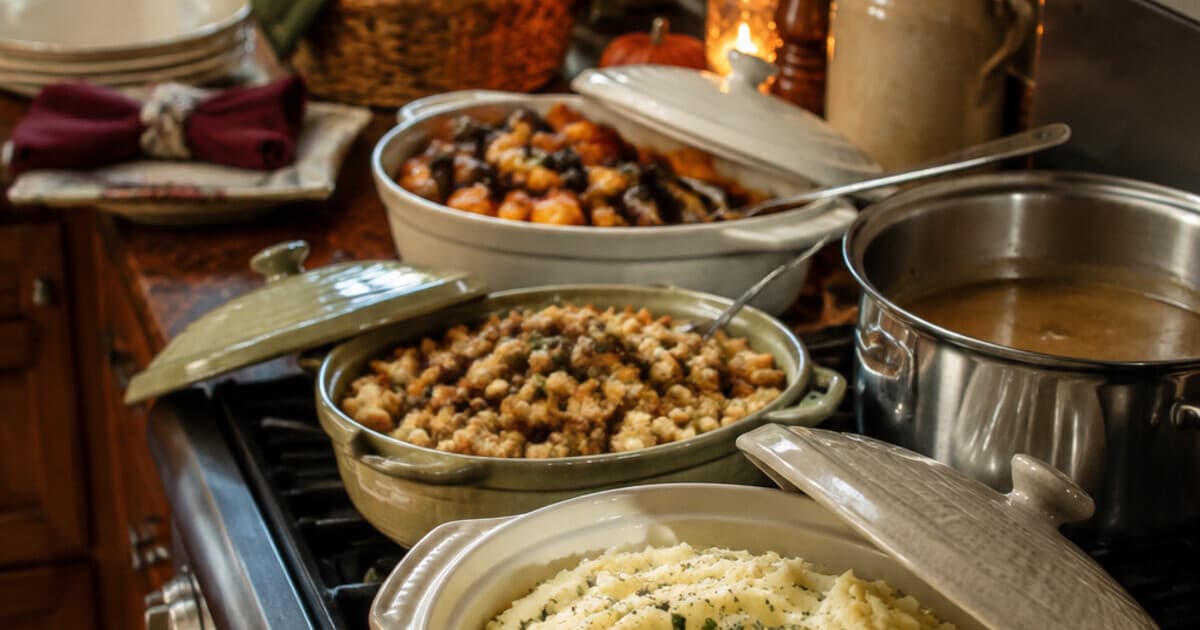
Dry the bread and cook the aromatic vegetables ahead, then chill them separately. USDA advises mixing wet and dry stuffing ingredients only just before cooking; combine and bake on Thanksgiving.
Mushroom and leek stuffing
Cook the mushrooms and leeks ahead until their moisture has evaporated, then chill. Doing that work early prevents a wet stuffing and clears a burner on Thanksgiving morning.
Cornbread dressing
Dry the cornbread and cook the onion-celery base ahead, then chill them separately. Treat dressing like stuffing: mix wet and dry components just before cooking, then bake for browned edges.
Potato gratin
A gratin can be baked ahead until nearly or fully tender, cooled, then reheated covered before uncovering for color. It is especially useful if you prefer a sliceable potato side over last-minute mashing.
Cauliflower gratin
Blanch or roast the cauliflower and make the sauce a day ahead. Assemble, chill, and reheat until bubbling. Add the breadcrumb topping near the final bake so it stays crisp.
Glazed carrots
Cook carrots until just shy of your preferred tenderness, chill with their glaze, and finish in a skillet on Thanksgiving. They need a burner for only a short window and do not occupy the oven.
Braised red cabbage
Red cabbage with apple, vinegar, and warm spices often tastes better after a night in the refrigerator. Reheat it slowly on the stovetop while richer sides are in the oven.
Braised collard greens
Long-cooked greens are a true make-ahead dish rather than a compromise. Cook them fully the day before, chill safely, and reheat gently with their flavorful liquid.
Creamed spinach
Make the spinach base ahead and reheat slowly so the sauce does not scorch. If the mixture thickens, loosen it with a small splash of milk before serving.
Green beans with shallot vinaigrette
Blanch the beans ahead, cool them quickly, and refrigerate dry. Make the vinaigrette separately, then toss shortly before dinner; serve cool or warm according to the recipe rather than leaving the beans out simply to reach room temperature.
Roasted beet salad base
Roast and peel beets up to two days ahead. Keep greens, cheese, nuts, and dressing separate; assemble the final salad shortly before serving so the colors and textures stay distinct.
Roasted root-vegetable mash
Parsnips, carrots, rutabaga, and potatoes can be roasted and mashed ahead. The roasted flavor actually becomes more cohesive overnight, and the dish reheats well covered.
Wild rice pilaf
Cook the rice and aromatics ahead, then reheat with a splash of stock. Add toasted nuts or fresh herbs at the end rather than before refrigeration so they keep their contrast.
Farro with roasted squash
Cook farro and roast squash a day ahead, storing them together or separately depending on your dressing. Finish with herbs, acid, and any crunchy element shortly before serving.
Cranberry-orange sauce
Make it two or three days ahead and serve chilled or at room temperature. The resting time lets the fruit, citrus, and sugar settle into a more balanced sauce.
Savory onion gravy base
Cook onions and build a stock-thickened gravy base ahead, then finish it with turkey drippings if you want them. This turns gravy from a frantic pan-scraping exercise into a quick final adjustment.
Dinner-roll butter
Mix softened butter with herbs, roasted garlic, honey, or black pepper a few days ahead. It is a tiny side, but it makes simple purchased or homemade rolls feel intentional without adding another oven project.
Build a side-dish mix that uses different equipment
A smart Thanksgiving menu spreads work across the oven, stovetop, refrigerator, and dishes specifically intended for cold or room-temperature service. If you choose stuffing, gratin, and a baked sweet-potato casserole, all three want the same scarce appliance. Swap one for braised greens and another for cranberry sauce or a green-bean vinaigrette.
Think in finish methods: one oven reheat, one stovetop reheat, one dish designed for room-temperature service, and one cold dish.
What you can make ahead two days versus one day
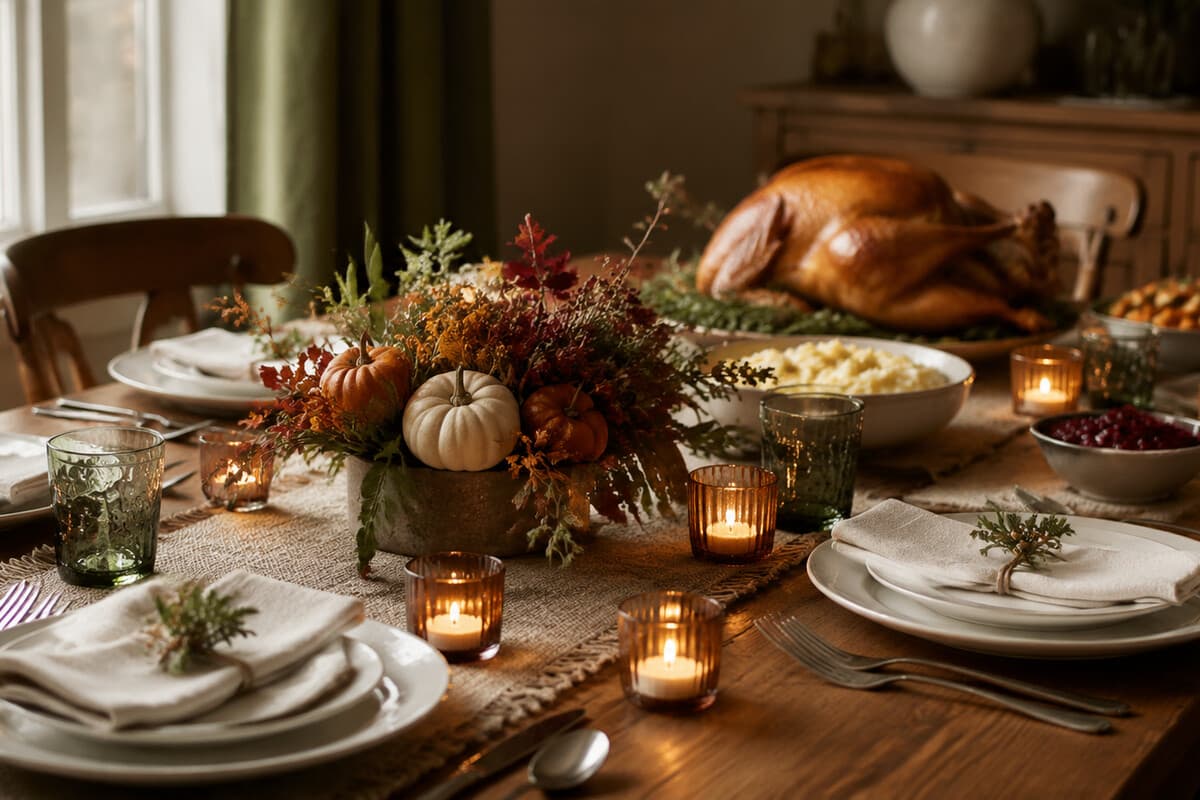
Two days ahead is ideal for cranberry sauce, roasted beets, cooked grains, braised cabbage, roasted garlic, bread drying, herb butter, and vegetable chopping that holds well. A day ahead works for mashed potatoes, gratins, braised greens, gravy base, stuffing components kept separate, glazed carrots, and recipe-supported casserole assemblies. USDA specifically advises against refrigerating uncooked stuffing after the wet and dry ingredients have been mixed.
The final-day jobs should be mostly texture jobs: crisp a topping, dress a salad, toast nuts, add herbs, warm rolls, and adjust seasoning. Those fresh elements keep a make-ahead table from tasting tired.
Store and reheat with food safety in mind
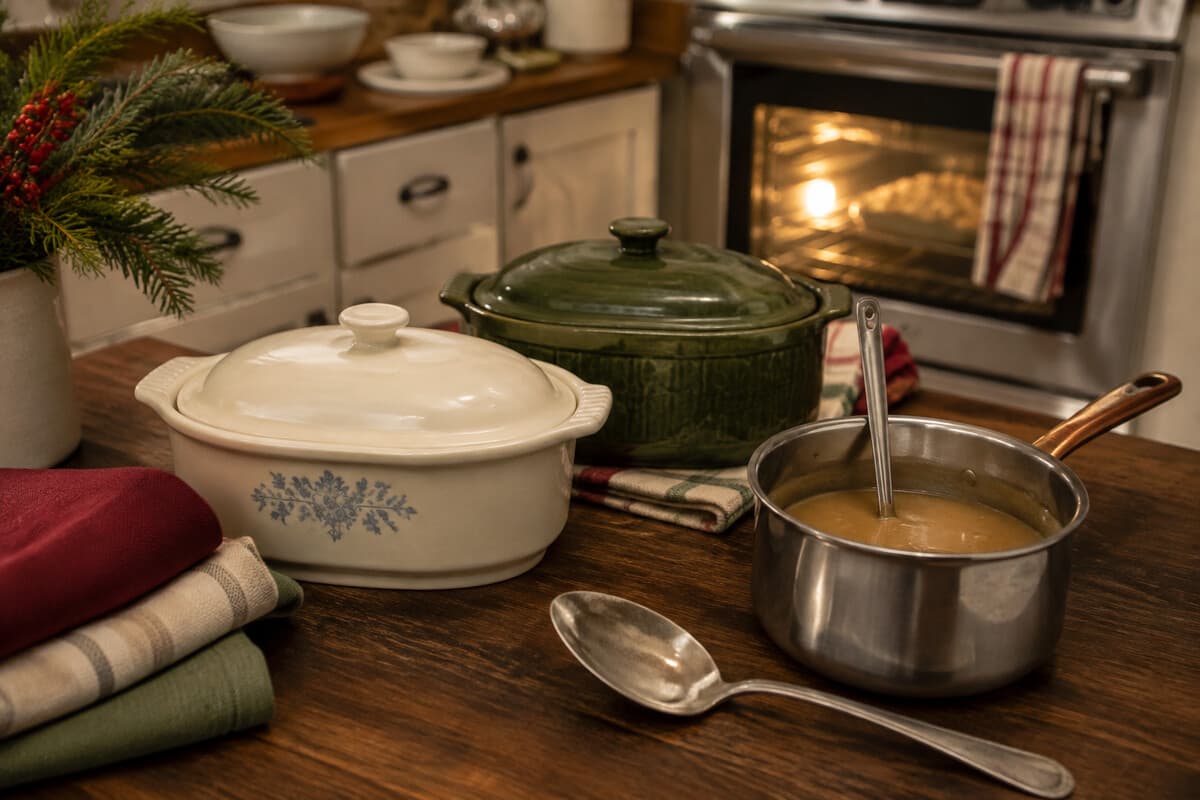
Cool cooked sides promptly rather than leaving large warm casseroles on the counter for hours. USDA leftover guidance recommends refrigerating perishable food within two hours—or within one hour when the ambient temperature is above 90°F—and using shallow containers to encourage quicker, more even cooling. Refrigerated cooked leftovers are generally recommended for use within three to four days and should be reheated to 165°F.
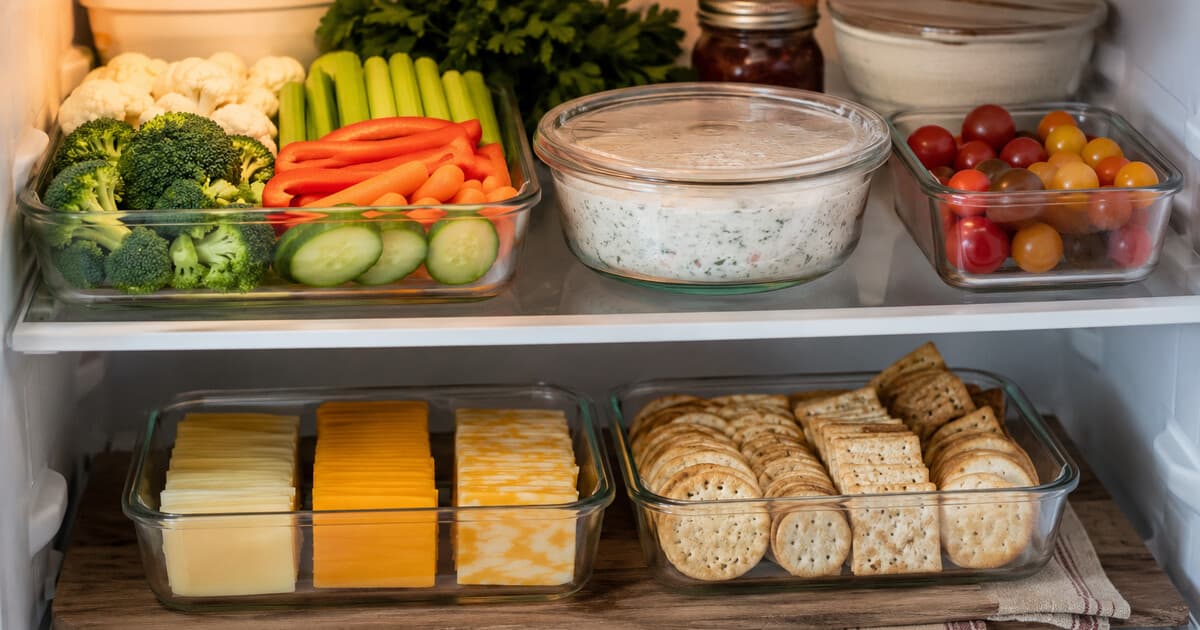
For the holiday itself, keep cold dishes cold until serving and keep hot foods safely hot if they are waiting. FDA buffet guidance uses 40°F or colder for cold food and 140°F or warmer for hot holding. That is another reason to reheat in waves rather than filling the table long before anyone eats.
What to skip
Skip any make-ahead promise that depends on a texture the refrigerator destroys: fully dressed leafy salad, fried onions mixed in overnight, toasted nuts stirred into a wet casserole, crisp bread crumbs sealed under condensation, or roasted vegetables that must stay sharply crisp. Prep the components, then combine them later.
Also skip turning every side into a rich casserole. Thanksgiving needs acidity, bitterness, herbs, and plain vegetables to keep the plate readable. One creamy potato, one stuffing, one green thing, one bright thing, and one personal favorite is plenty.
SOURCES
Sources & references
These links support factual rules, quantities, safety guidance, or planning context. The final prioritization and sequencing in this guide are editorial decisions. See how sources are chosen.
- Public guidanceUSDA FSIS — Leftovers and Food Safetyfsis.usda.gov
- Public guidanceFDA — Entertaining All Year: Food Safetyfda.gov
- Public guidanceUSDA FSIS — Stuffing and Food Safetyfsis.usda.gov
FAQ
Questions people ask before guests arrive
What Thanksgiving sides can I make two days ahead?
Cranberry sauce, roasted beets, cooked grains, braised red cabbage, herb butter, roasted garlic, and dried bread for stuffing are strong two-day-ahead choices. Keep fresh herbs, crunchy toppings, salad greens, and dressings separate until closer to serving.
Can mashed potatoes be made the day before Thanksgiving?
Yes. Make them slightly richer than usual, refrigerate promptly, and reheat covered and gently. If they stiffen, loosen them with warm milk or cream and finish with butter just before serving.
How many Thanksgiving sides do I need?
For many home gatherings, four to five sides are enough when they cover different roles: a potato, stuffing or dressing, a green vegetable, a tart or fresh item, and one extra family favorite. The exact number depends on guest count and traditions.
How do I keep make-ahead sides from tasting reheated?
Save texture and freshness for the end. Add toasted nuts, herbs, crisp crumbs, vinaigrette, lemon, browned butter, or another finishing element after reheating. Also avoid overcooking the dish the first time if it will cook again during reheating.