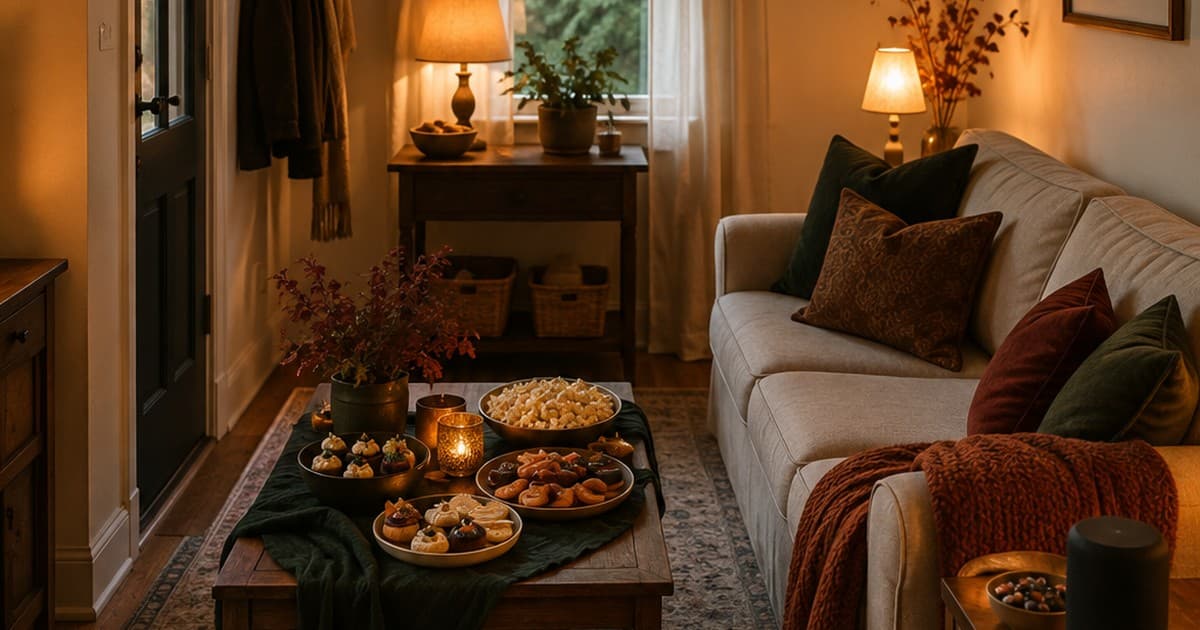
Three hours is enough time for a good Halloween party and not enough time for a lifestyle-photo fantasy. That is useful information. It forces you to choose the things guests will actually notice: where they sit, what they eat, whether the room feels different from a normal Tuesday, and whether the host looks like they regret inviting everyone. This plan works backward from the doorbell so the final thirty minutes are intentionally boring.
First, decide what kind of party this is
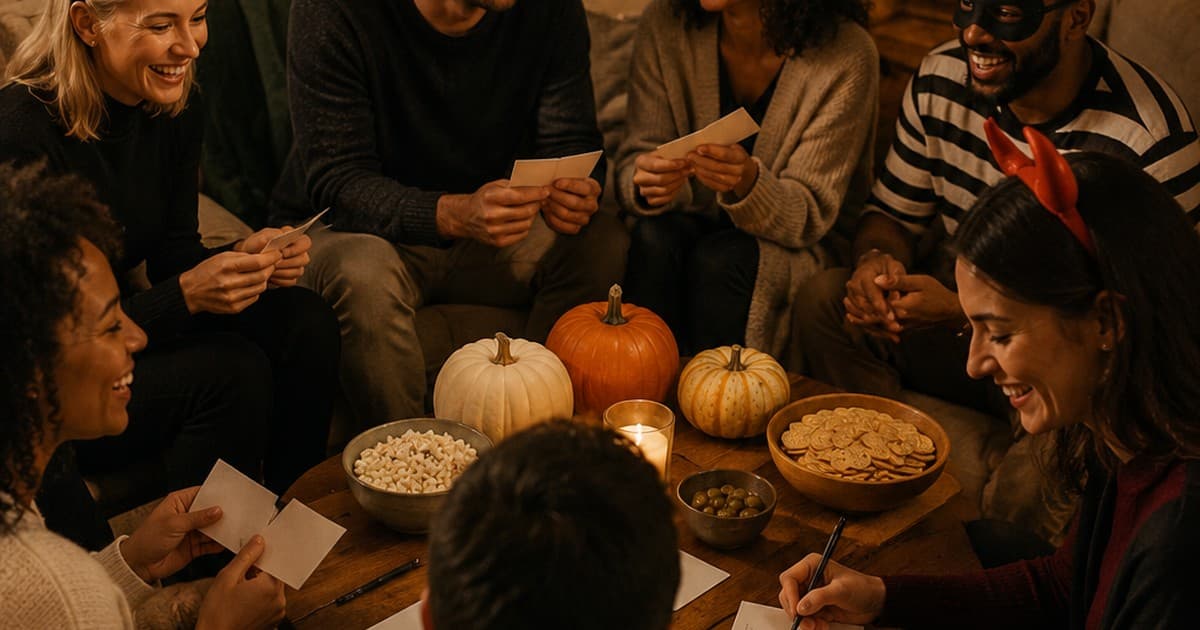
Call it a casual Halloween hang, drinks-and-snacks night, movie night, or costume drop-in. Do not announce a haunted dinner theater if you have three hours and a grocery run between you and reality. A loose format gives you permission to use normal food, normal furniture, and whatever decorations already exist in your closet.
For six to twelve people, one main gathering room is enough. Close doors to rooms you do not want to clean. If guests will use the kitchen, clear one counter for drinks and another for food. If you have a balcony, porch, or backyard, treat it as bonus space rather than building the party around weather-dependent seating.
The fastest menu that still feels like hosting
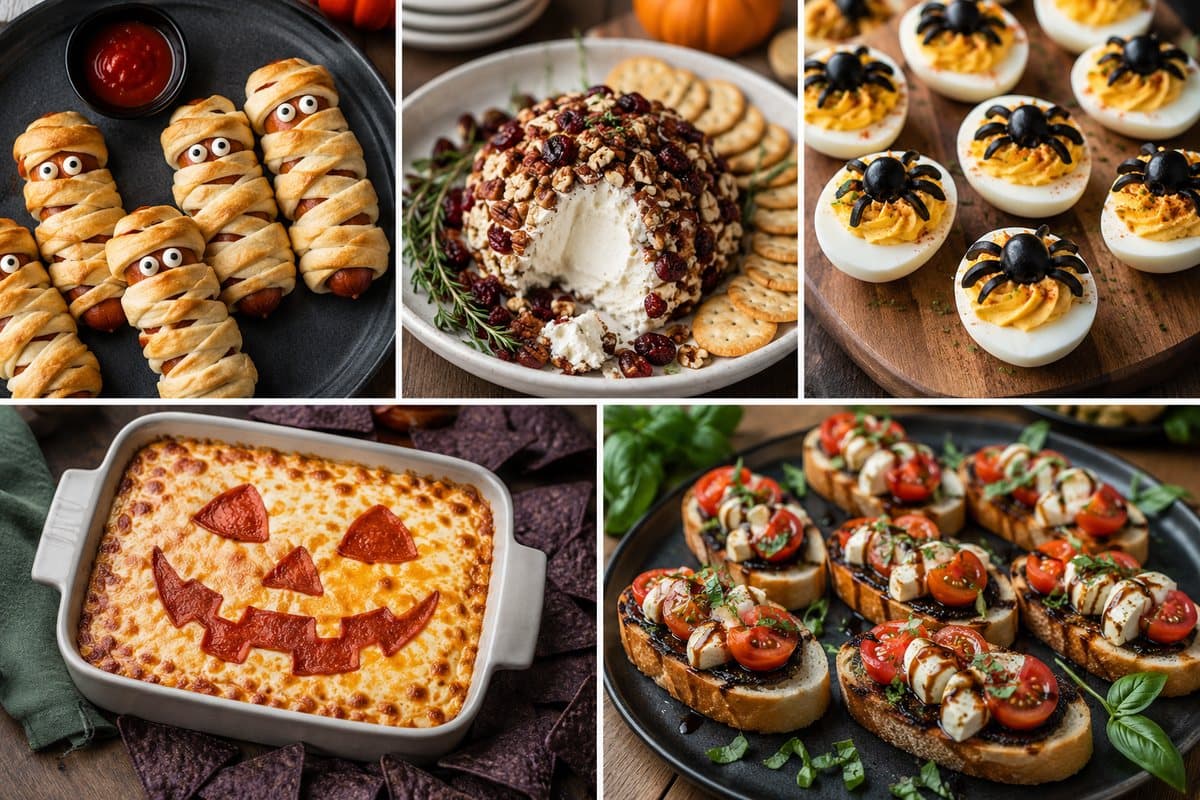
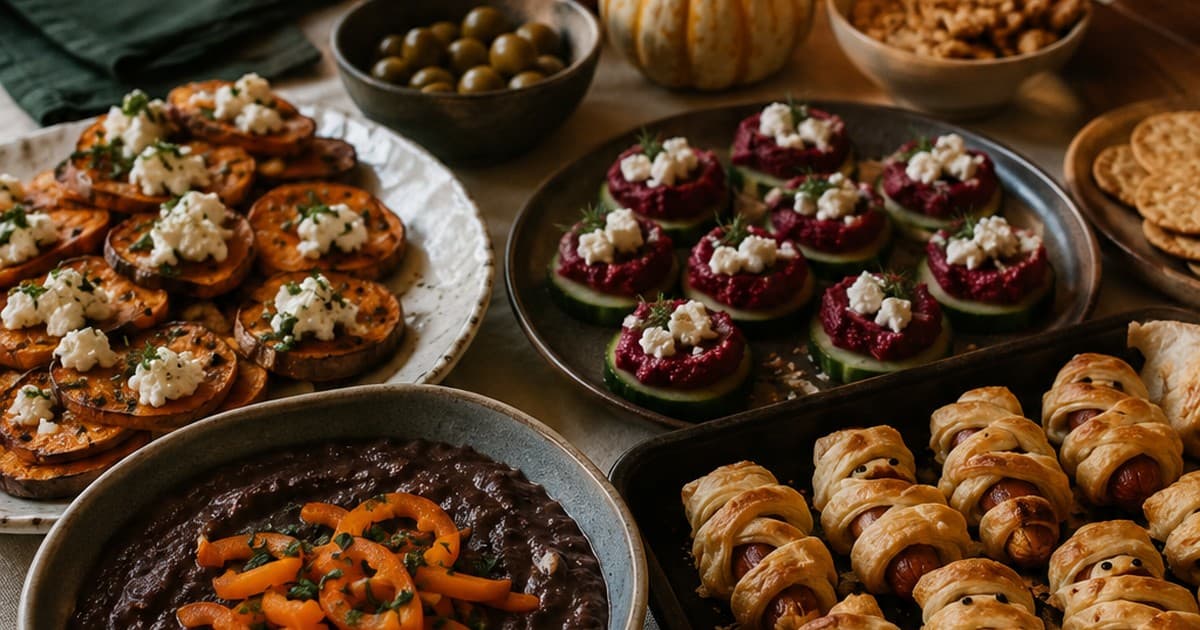
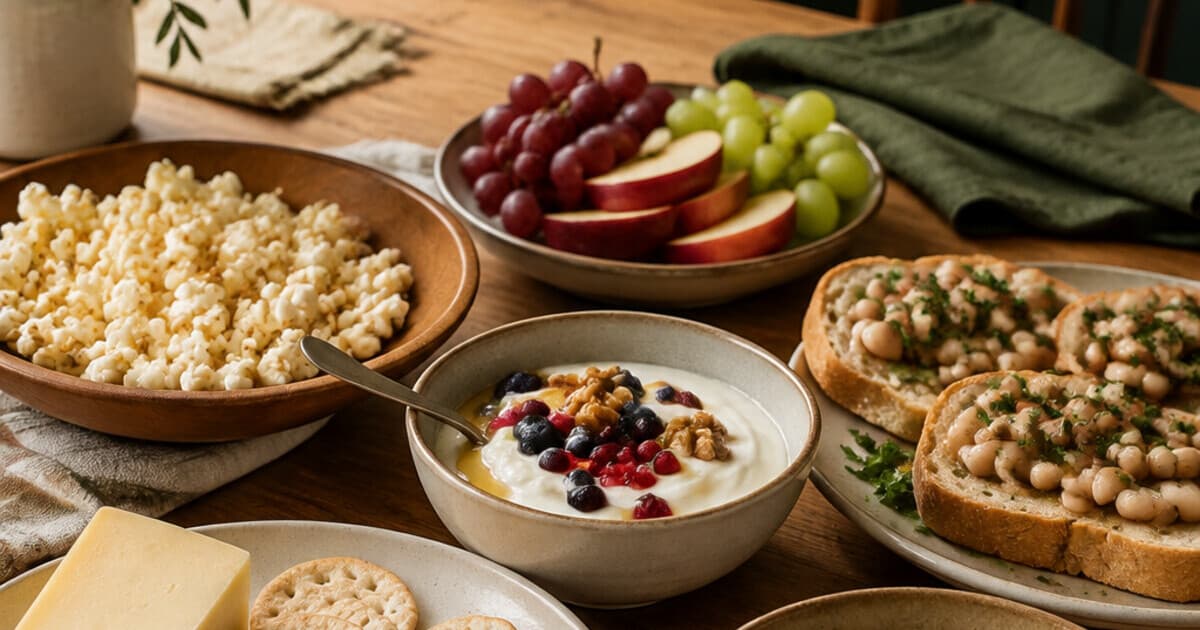
Buy or make one warm anchor, one dip, one crunchy thing, one fresh thing, and one dessert. Examples: baked flatbread + hummus + chips + cut vegetables + cookies; meatballs + cheese board + crackers + grapes + chocolate; or soup + grilled-cheese dippers + salad + cider doughnuts. The point is to cover hunger, texture, and a sweet ending without juggling six cooking temperatures.
If the party overlaps dinner, your warm anchor should be genuinely filling. A tray of baked pasta, meatballs, chili, soup, or flatbread makes a casual party feel generous. If everyone has already eaten, you can go lighter with a board, dip, a crunchy snack suited to the ages at your party, and dessert.
- 1 warm anchor
- 1 dip or grazing plate
- 1 crunchy snack
- 1 fruit or vegetable option
- 1 easy dessert
- Water plus one seasonal non-alcoholic drink
Let lighting do most of the decor work
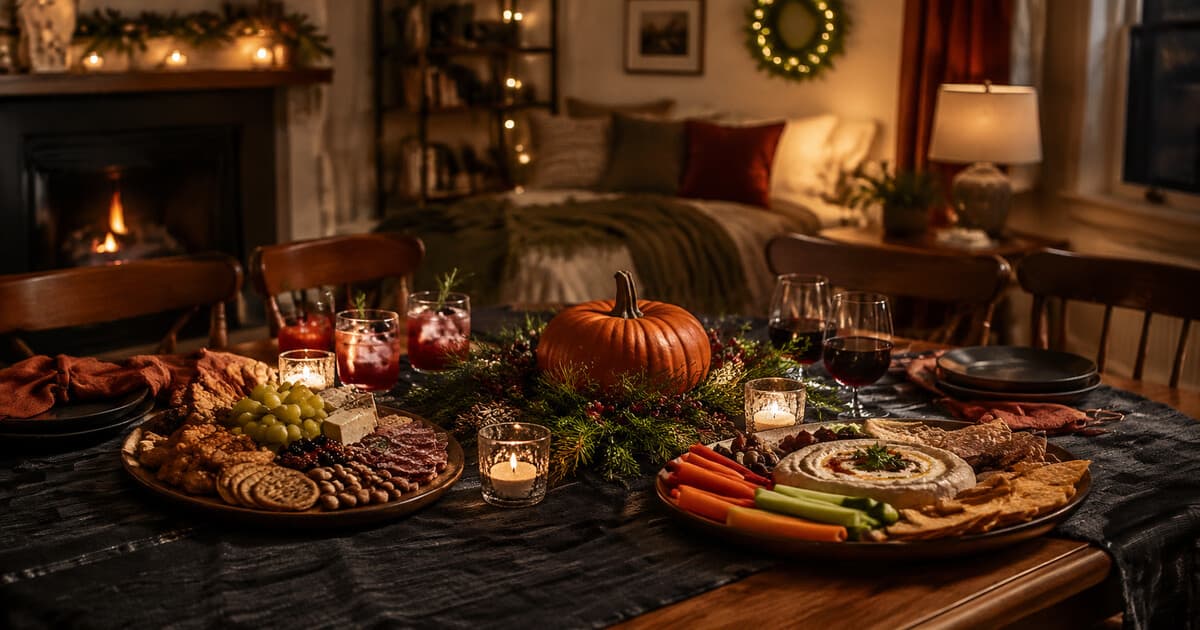
Turn off the brightest overhead light. Use lamps, battery candles, porch lights, string lights, or a warm bulb in the main room. A darker room instantly makes ordinary furniture feel seasonal and hides the fact that you did not create a twelve-foot balloon arch.
Then add three concentrated decor moments instead of sprinkling objects everywhere: something at the entry, something on the food table, and something near the main seating area. A bowl of small pumpkins, dark fabric under a platter, paper bats on one wall, branches in a vase, or a stack of old books can be enough. Grouping looks intentional; scattering looks like you ran through the house throwing spiders.
Reverse timeline: 3 hours before guests arrive
At T-minus 3:00, start the task with the longest passive time. Preheat the oven, chill drinks, put dessert aside, start soup or meatballs, or bake whatever can reheat. While that runs, clear the kitchen sink and empty the dishwasher if you have one. You will need somewhere for dirty things to disappear later.
At T-minus 2:30, clean only the visible path: entry, bathroom, main room, kitchen counters. Wipe the bathroom sink and mirror, replace the hand towel, empty the trash, and make sure there is toilet paper. Do not organize drawers. Nobody is coming to audit them.
At T-minus 1:45, build the room. Move a chair if it blocks conversation, set the drink station, put water where people can serve themselves, add lighting, and place your three decor moments. Start the playlist now and let it run while you work; if the room feels wrong, you still have time to change it.
At T-minus 1:00, assemble the cold food and set out empty platters for anything hot. Put backup food in the refrigerator rather than cramming every serving onto the table. If you are serving alcohol, make the non-alcoholic option just as easy to find and refill.
At T-minus 0:30, get yourself ready. This is a real task, not something you squeeze between chopping onions and answering the door. After that, do a ten-minute surface reset, light or switch on the safe candles, put the first wave of food out, and stop.
The no-panic checklist
A checklist is useful only if it separates necessary from decorative. Run this once, then leave the house alone.
- Bathroom: soap, hand towel, toilet paper, empty trash.
- Entry: clear a place for coats, bags, or wet umbrellas.
- Drinks: ice, water, cups, opener if needed, napkins.
- Food: serving utensils, small plates, trash access, backup portions chilled.
- Room: enough seats or leaning surfaces for the group size.
- Mood: playlist running, harsh overhead lighting off.
- Host: dressed, phone charged, kitchen sink reasonably clear.
What to do after the first guest arrives
Do not keep styling. Put a drink in their hand, show them where food and the bathroom are, and let the room become a party. If something is not done by then, ask whether anyone will notice it in the next hour. If the answer is no, it is officially not part of tonight.
Use small food platters and refill them rather than leaving a huge amount of perishable food out all night. FDA and USDA guidance recommends keeping cold food at 40°F or below and hot food at 140°F or above, with a general two-hour room-temperature limit for perishables, reduced to one hour when the ambient temperature is above 90°F.
TAKE IT TO PAPER
Useful printables for this plan
SOURCES
Sources & references
These links support factual rules, quantities, safety guidance, or planning context. The final prioritization and sequencing in this guide are editorial decisions. See how sources are chosen.
- Public guidanceFDA — Serving Up Safe Buffetsfda.gov
- Public guidanceUSDA FSIS — How do I keep foods safe at a buffet?ask.fsis.usda.gov
FAQ
Questions people ask before guests arrive
Can I really host a Halloween party with only a few hours of prep?
Yes, if you choose a casual format and reduce the number of moving parts. One room, one warm food, several easy snacks, concentrated decor, and a playlist can create a complete party without elaborate DIY projects.
What should I buy for a last-minute Halloween party?
Buy food that covers five roles: a warm filling item, dip or grazing item, crunchy snack, fresh item, and dessert. Add ice, water or another non-alcoholic drink, napkins, and only the decor needed for three visible areas.
What is the fastest Halloween decoration?
Lighting is fastest because it changes the whole room at once. Turn off harsh overhead lights, use lamps or safe battery candles, and group a few seasonal items at the entry, food table, and seating area.
How do I keep a last-minute party from looking thrown together?
Repeat a simple color palette and cluster decor instead of scattering it. Use the same two or three colors in napkins, food, candles, or serving pieces, then leave empty space. Intentional restraint looks more finished than many unrelated decorations.